Project Overview
ESP+ is a comprehensive platform for distributors in the promotional products industry. It offers a range of tools, including product research, pricing comparisons, and order management. As part of its ongoing improvements, ASI identified the need to enhance the Order Management System (OMS) within ESP+ to improve usability, efficiency, and overall user satisfaction.
Problem Statement
The existing OMS in ESP+ was functional but lacked intuitive navigation and a user-friendly interface. Users found it challenging to manage orders efficiently, leading to frustration and increased time spent on routine tasks. The goal was to redesign the OMS to create a more streamlined and intuitive experience that would empower users to manage orders with ease and confidence.
Objectives of the Discovery Phase
Understand the current state of the OMS, including user pain points, inefficiencies, and business challenges.
Identify user needs, behaviors, and expectations through research and analysis.
Define the project scope, goals, and success metrics.
Align stakeholders on the vision and approach for the redesign.
Develop a clear roadmap for the design and development phases.
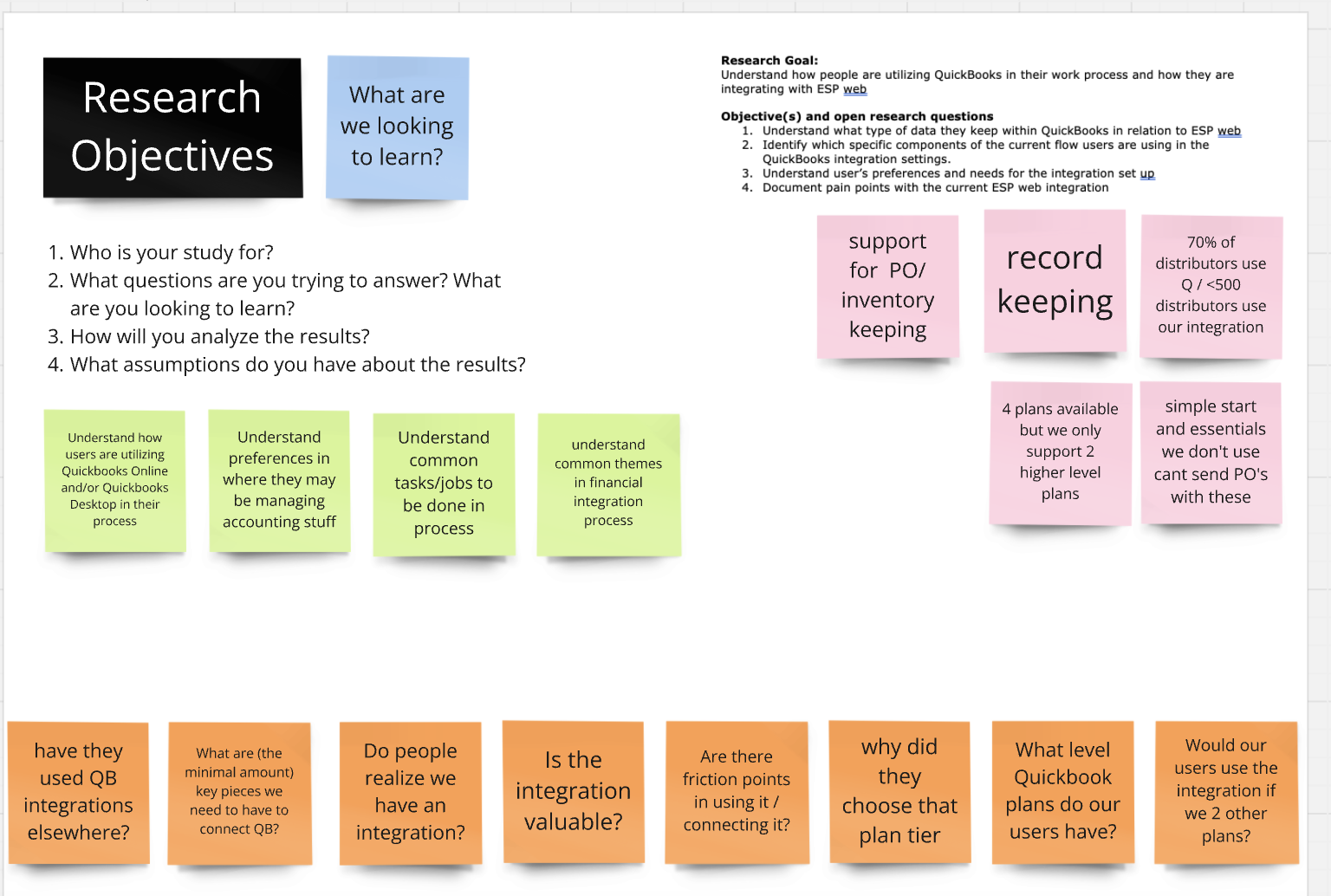
Research and User Interviews
Conducted user interviews with distributors who frequently use the OMS to understand their pain points and needs.
Analyzed usage data to identify the most common tasks and workflows within the OMS.
Competitor analysis to benchmark against other order management systems in the industry.
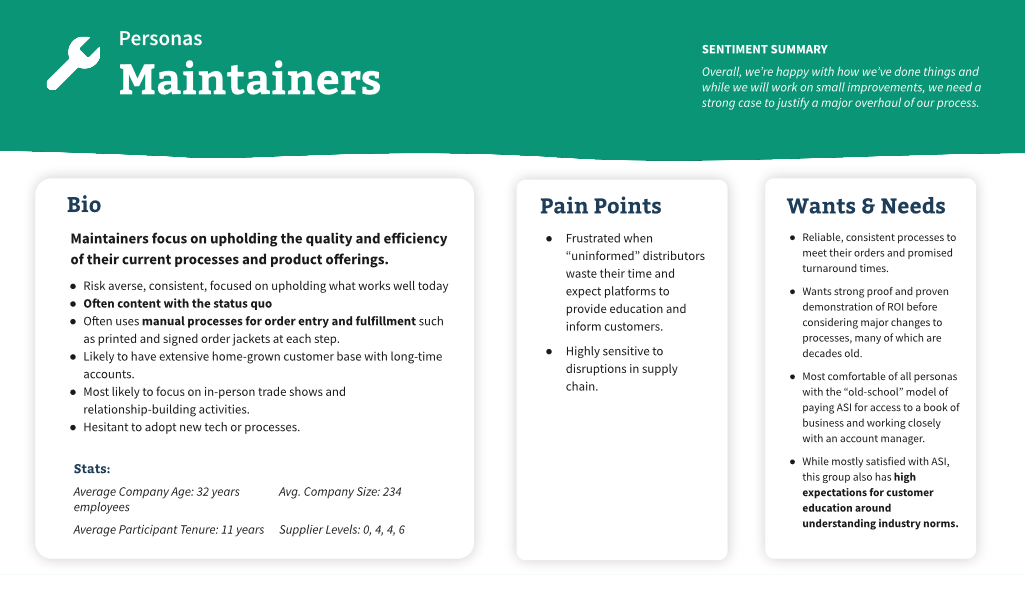
About the User
Order management systems play a crucial role for distributors in the promotional products industry. These systems help them streamline the entire process, from sourcing materials to delivering the final product to customers.
Persona Development
Developed personas representing key user groups, such as small business owners, sales representatives, and order managers.
These personas were used to guide design decisions and ensure that the interface met the needs of all user types.
Information Architecture
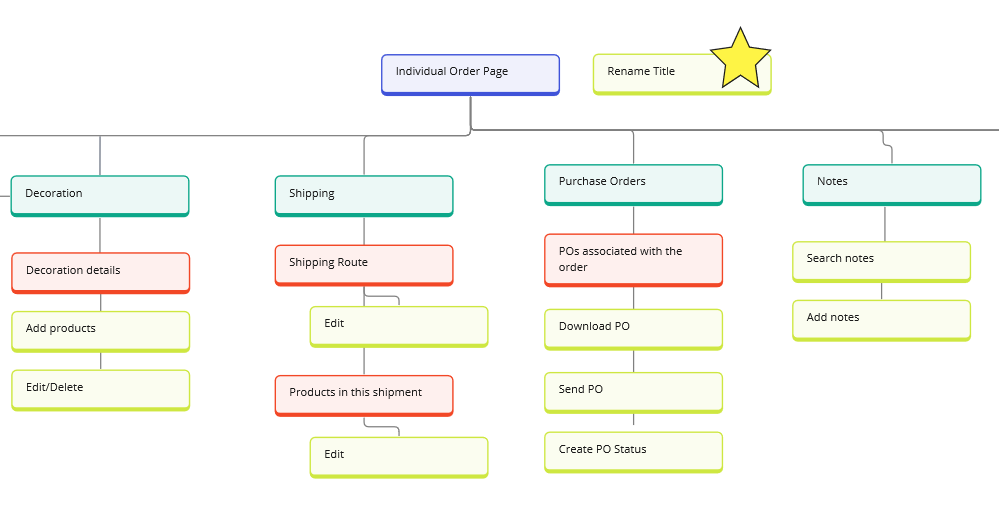
Mapped out the existing navigation and identified areas where users experienced confusion or inefficiency.
Proposed a new, simplified navigation structure, with primary sections for "Order Dashboard," "New Orders," "Order History," and "Reports."
Introduced a global search feature to allow users to quickly locate specific orders or products.
Wireframing and Prototyping:
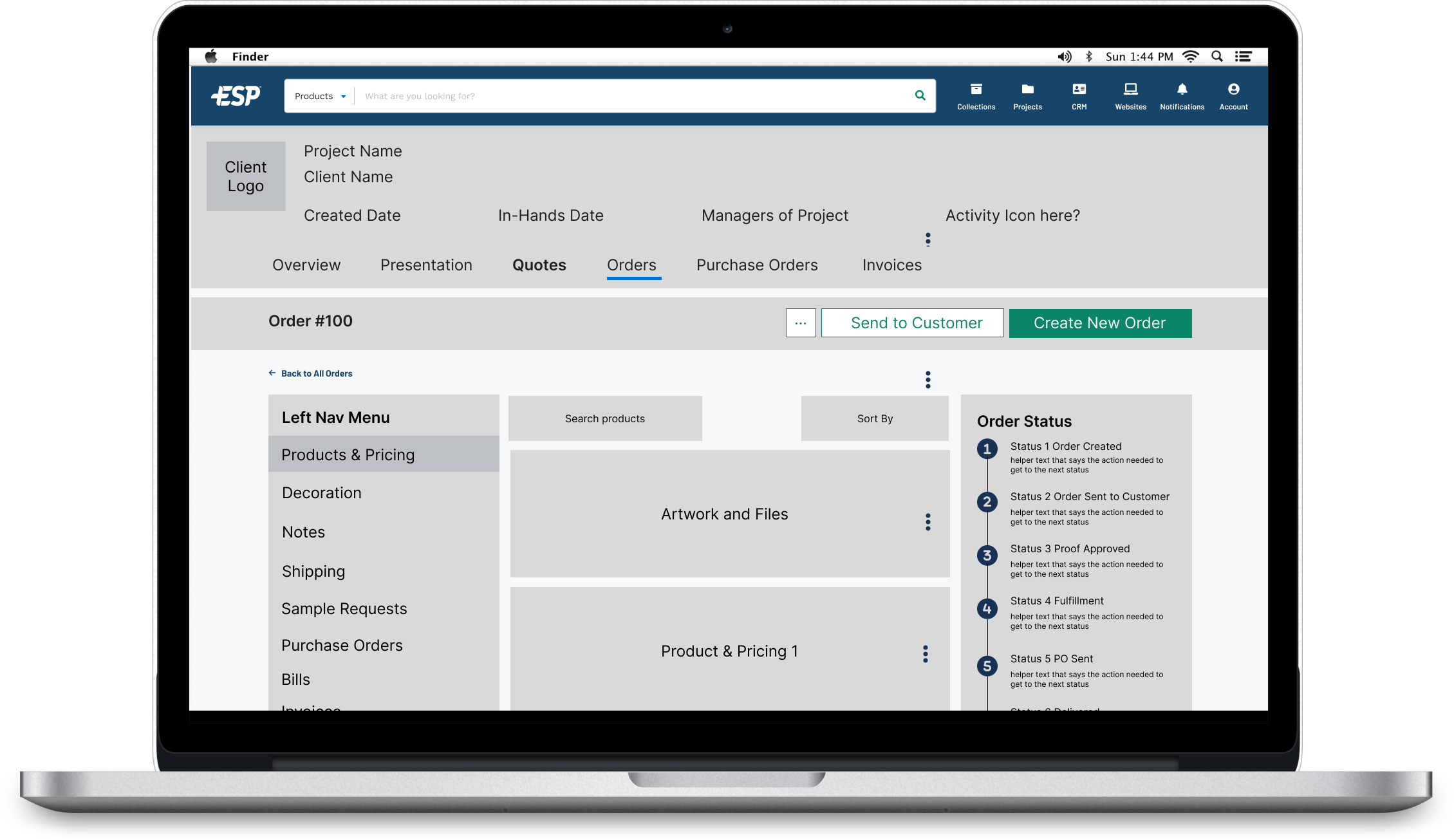
Created low-fidelity wireframes to visualize the new navigation structure and layout.
Developed interactive prototypes to test the flow and usability of the redesigned OMS.
Iterated on the designs based on user feedback, focusing on minimizing steps and making key actions more accessible.
UI Inspiration:
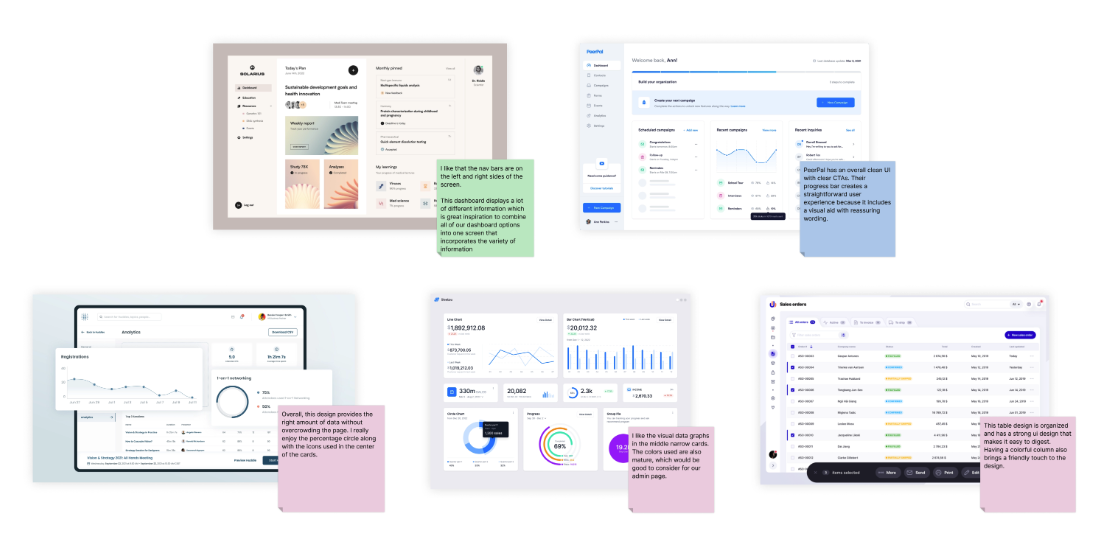
Before creating high fidelity designs, my team and I conducted research on potential design inspiration and discussed how we could incorporate various features into our design. As the analytics page was a new addition, I explored various websites and designs that showcased clear and meaningful data, intuitive icons, and a thoughtful use of color.
User Interface Design:
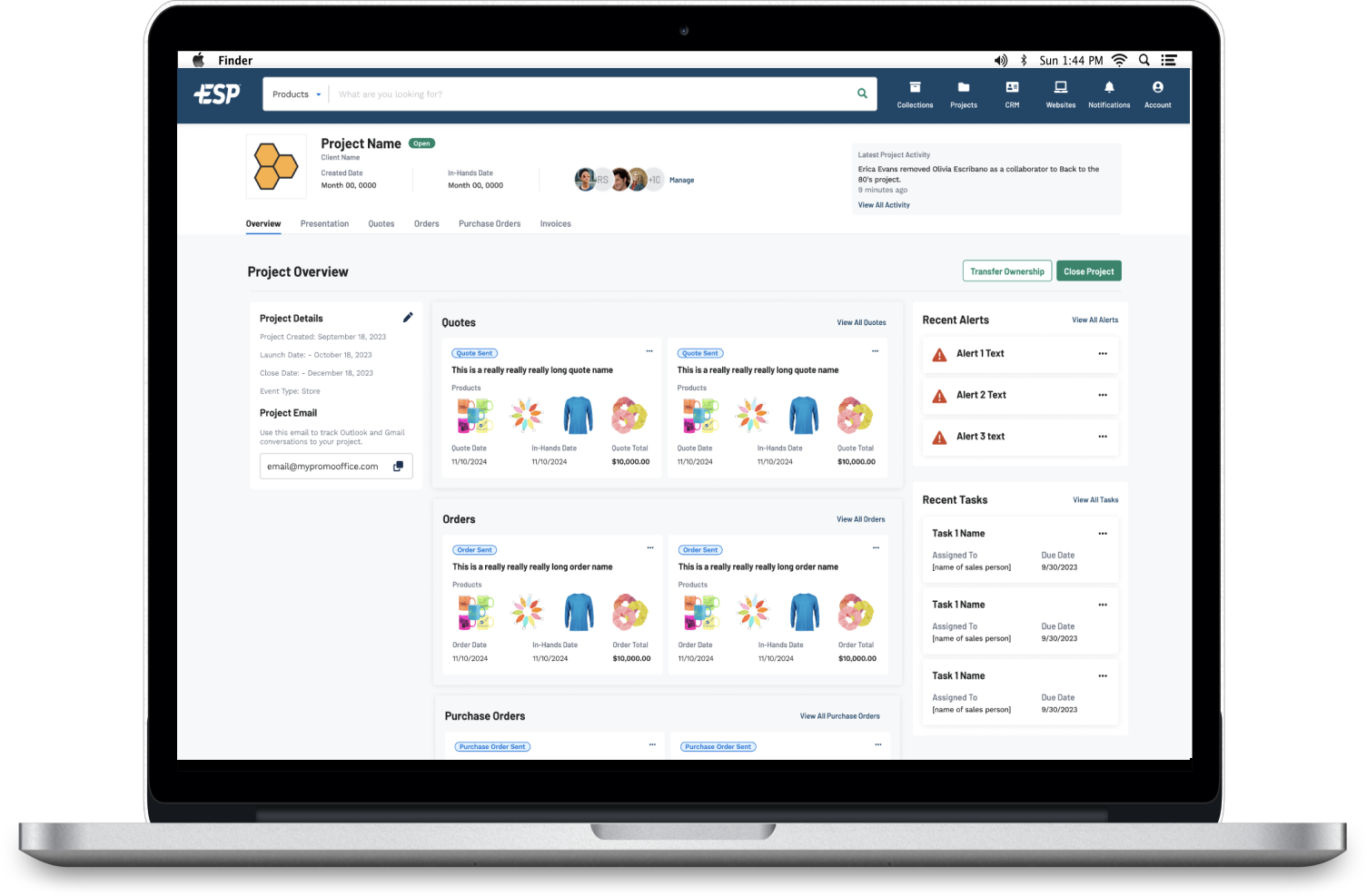
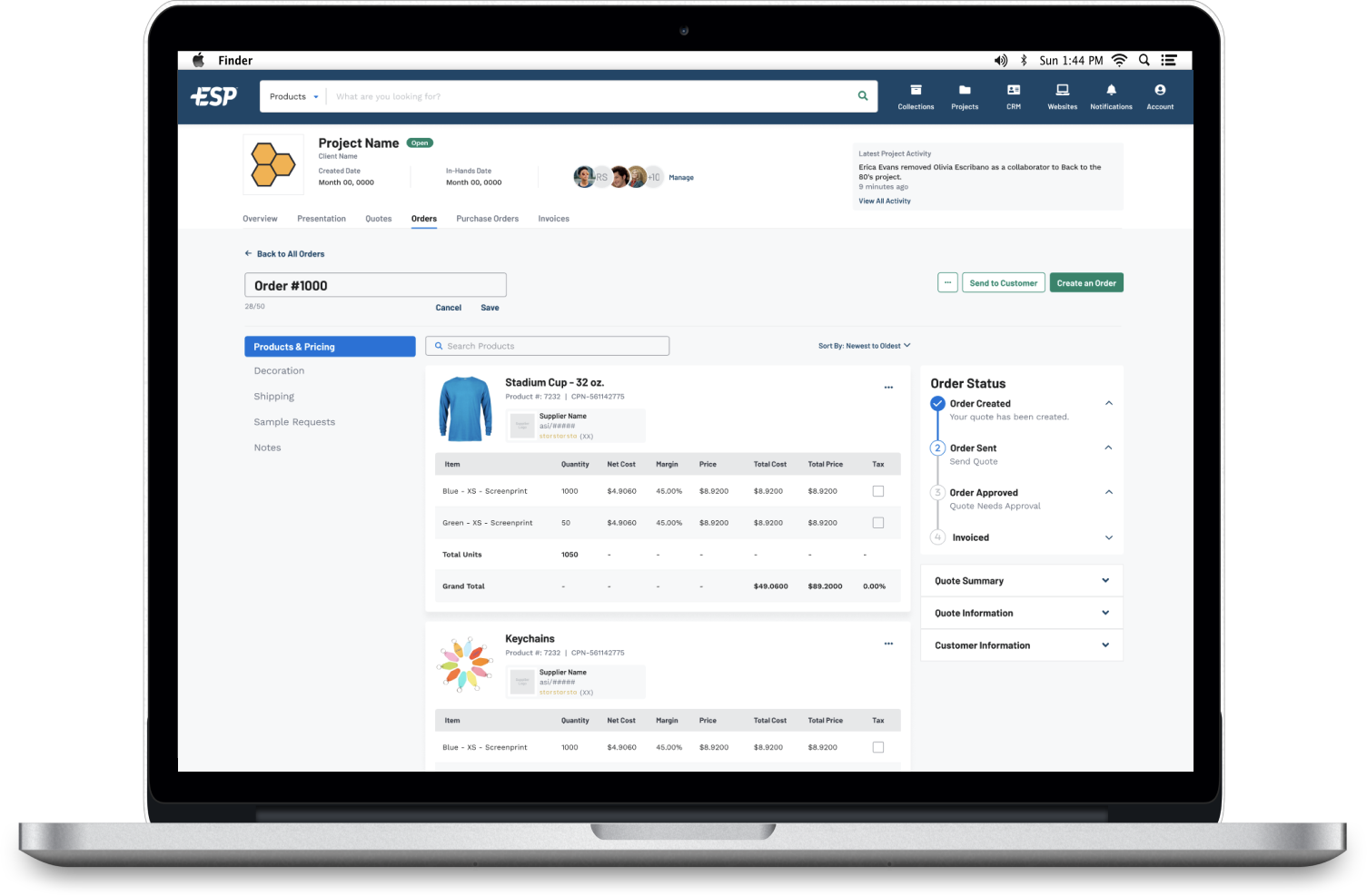
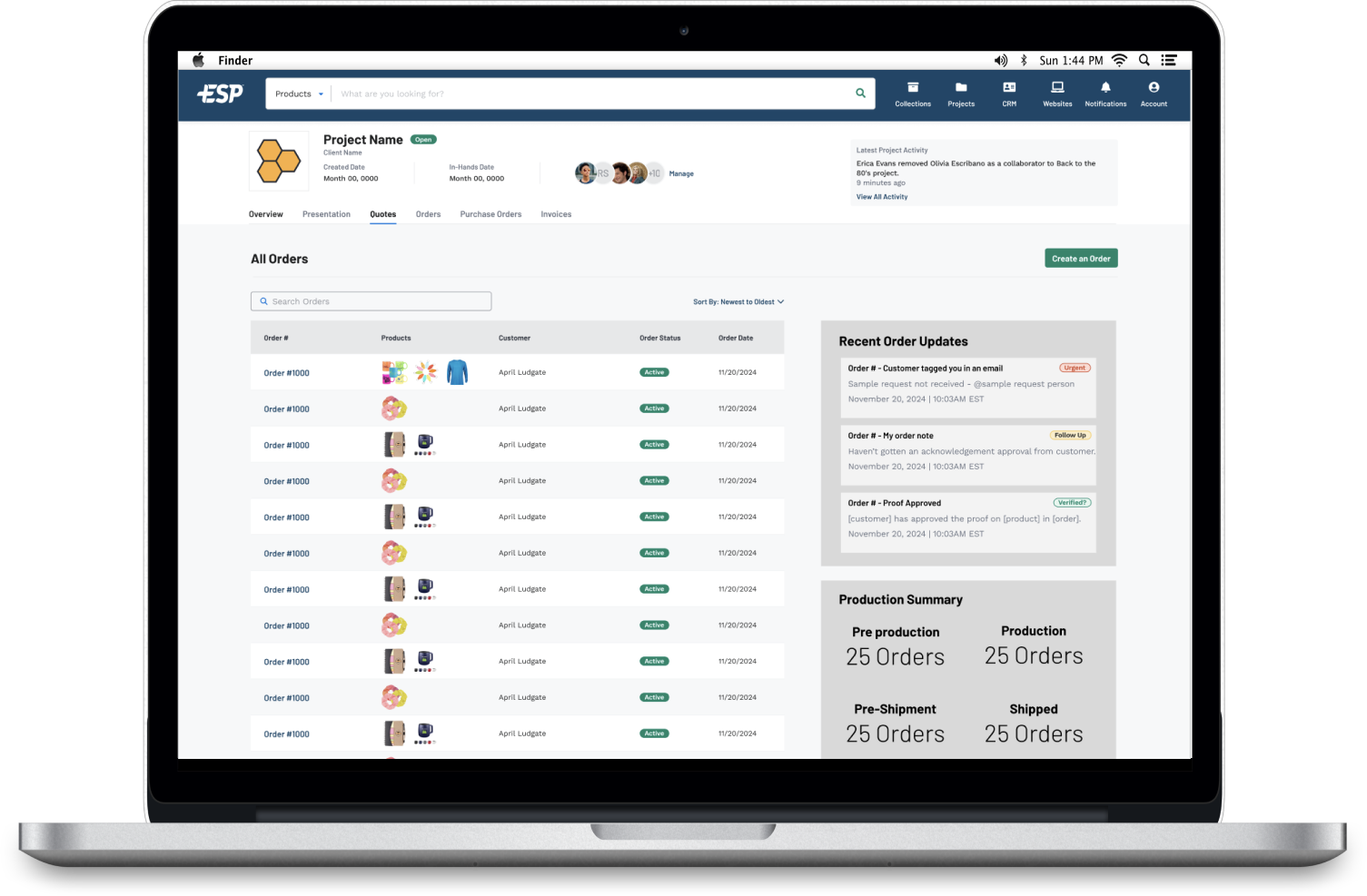
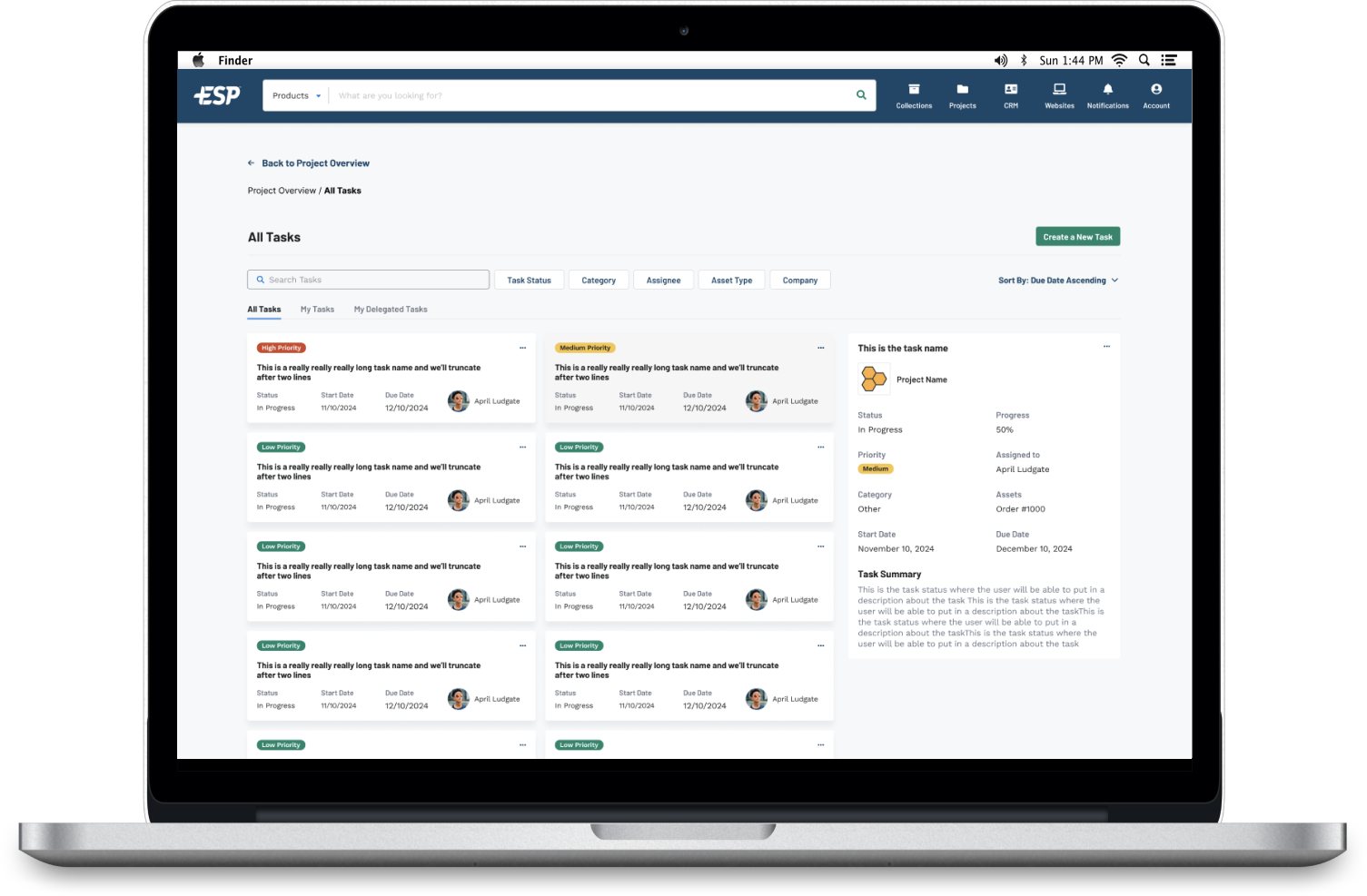
To enhance the hi-fi journey, we adopted a customer-centric design approach. We removed the dashboard and made the reward page the home page, which I designed to optimize the use of white space and improve visual hierarchy. Additionally, I designed the over page with the goal of enhancing the transparency and ease of use of data. I also came up with design solutions to improve the left navigation section in the order creation process.
Style Guide:
Designed a clean, modern interface with a focus on readability and ease of use.
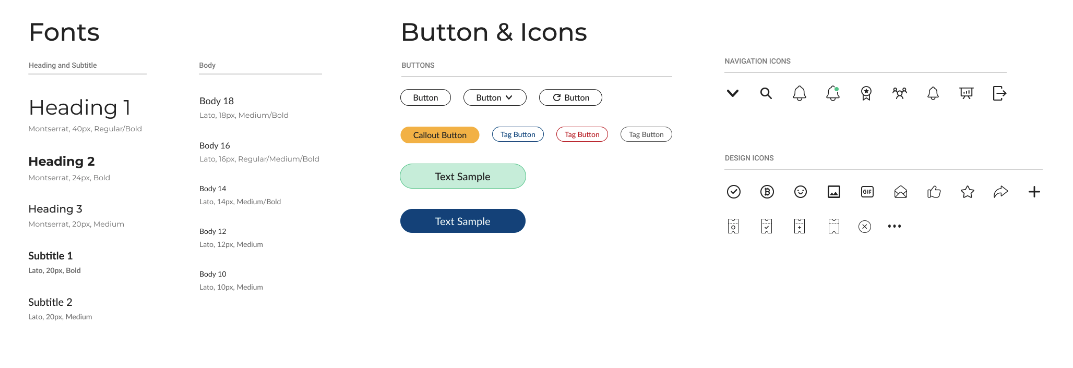
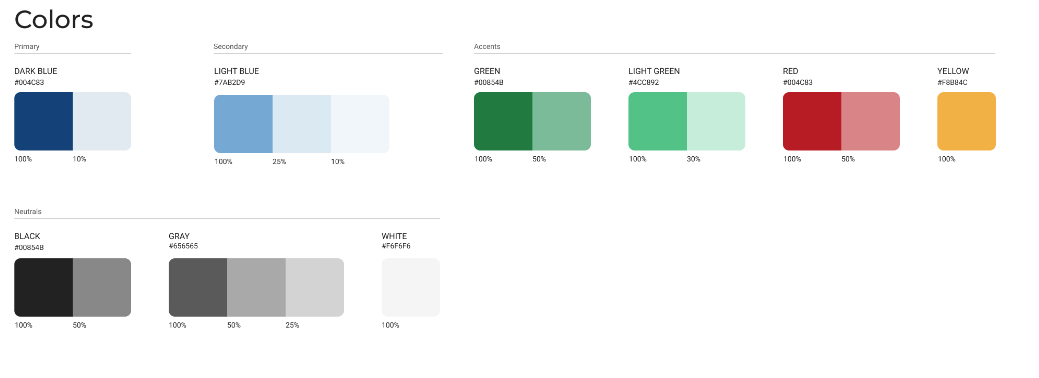
Used a consistent color scheme and typography that aligned with the overall branding of ESP+.
Implemented visual hierarchy principles to highlight the most important information and actions on each screen.
Designed responsive layouts to ensure a seamless experience across different devices.
Developer Handoff:
The team created a detailed handoff that included precise measurements and annotations, aimed at promoting a smooth transition from design to development. As part of this process, I carefully annotated the reward and analytic page, and a handful of elements in the component pages. The attention to detail we put into our work will greatly contribute to the project's success.
Final Design:
The redesigned OMS for ESP+ featured:
Simplified Navigation: A clear, top-level navigation menu with quick access to the most frequently used sections.
Order Dashboard: A centralized dashboard displaying key metrics, recent orders, and alerts, allowing users to monitor their orders at a glance.
Streamlined Order Creation: A step-by-step order creation process with guided prompts, reducing errors and speeding up order entry.
Enhanced Search and Filtering: Advanced search options with filters to quickly locate orders, products, or customers.
Responsive Design: Optimized layouts for desktop, tablet, and mobile devices, ensuring usability across platforms.
Results:
Increased Efficiency: Users reported a significant reduction in the time required to manage orders, with common tasks completed 30% faster on average.
Improved User Satisfaction: Post-launch surveys indicated a 40% increase in user satisfaction with the OMS, particularly in the areas of navigation and usability.
Reduced Training Time: New users were able to learn and start using the OMS with minimal training, thanks to the intuitive design and clear navigation.